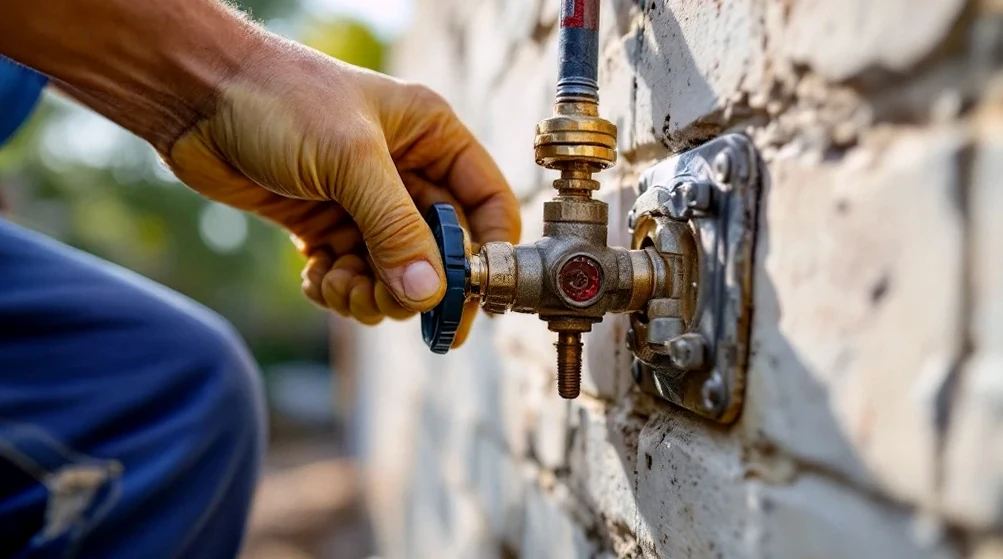
What is Gas Valve Replacement and how does it work?
Gas valve replacement means swapping out the part that controls gas flow to your fireplace burner. It's a safety-critical repair that we do when the valve fails to open, closes on its own, or lets too much gas through.
Think of the gas valve as the faucet for your fireplace. When you turn the knob or hit the remote, the valve opens to let gas reach the burner, then closes when you want the fire off. If that valve gets stuck, leaks, or fails electronically, your fireplace won't light, or worse, it might not shut off when it should. That's why we treat valve replacement as a serious repair, not a quick fix.
In Huntsville, where we get cold snaps from November through February, a fireplace that won't light is more than an inconvenience. It's a heating gap you notice fast. But the repair isn't something to rush. The valve sits right in the gas line, and a mistake there can cause a leak or a dangerous buildup. We replace valves with the gas shut off, test every connection, and check the whole system before we call it done.
Most homeowners don't realize that a valve failure often isn't the valve's fault. It can be a dirty pilot, a bad thermocouple, or even a wiring issue that makes the valve act up. That's why we don't just swap parts blindly. We diagnose first, then replace only what's broken, and that saves you money in the long run.
- A failure in the valve means no gas flow to the burner, so no fire or an unsafe one.
- Replacement involves shutting off gas, removing the old valve, and installing a new one with proper testing.
- We diagnose the root cause first, because a valve might not be the problem.
Short version
- A gas valve replacement is a safety repair, not a DIY job.
- We shut off gas, swap the valve, and test the entire system.
- Costs vary, but you'll get a range on site, not a guess over the phone.
How Gas Valve Replacement works, start to finish
We start by shutting off the gas supply and confirming the valve is the problem. Then we remove the old valve, install the new one, and test for leaks and proper flame before you ever light a match.
The first thing we do is turn off the gas at the shutoff valve, usually located near the fireplace or at the meter. Then we disconnect the gas line and pull the old valve out. Depending on your setup, that might mean removing a decorative panel or accessing the unit from the side. We've worked on everything from a basic builder-grade fireplace in a new subdivision to a custom stone unit in an older home near Five Points, so we know where to look.
Once the old valve is out, we check the mounting area for corrosion or debris that could affect the new one. Then we install the replacement, making sure it's the right type for your unit, whether that's a standing pilot, intermittent pilot, or a variable valve for a remote control. We tighten every fitting to spec, not just until it feels snug, because gas fittings have a specific torque range.
After the new valve is in, we turn the gas back on and test. We use a soap-and-water solution on every connection to check for bubbles, which means leaks. Then we light the pilot and burner, watch the flame pattern, and cycle the valve on and off a few times to make sure it responds correctly. If you have a thermostat or remote, we test that too. Only when everything checks out do we button it back up.
The whole job usually takes one to two hours, but it can stretch if we find other issues, like a cracked burner or a failing igniter. We'll tell you what we see and give you a straight answer on what needs fixing now versus what can wait.
- Shut off the gas.We close the shutoff valve so no gas flows while we work. This is non-negotiable for safety.
- Remove the old valve.We disconnect the gas line and unbolt the valve, checking for corrosion or damage along the way.
- Install the new valve.We match the replacement to your fireplace model and torque every fitting to the right spec.
- Test the system.We check for leaks with soap bubbles, then light the pilot and burner to confirm the flame is steady and safe.
Why Gas Valve Replacement matters for your home
A faulty gas valve is a safety hazard. It can leak gas into your living space or fail to shut off, which is why we replace it with precision and test everything twice.
Your fireplace is a source of comfort, but it's also a gas appliance. The valve is the gatekeeper between the gas line and your living room. If it sticks open, you get a fire that won't go out, and if it leaks, you get gas where you sleep and watch TV. Neither is acceptable. That's why we don't take shortcuts on valve replacement.
In Huntsville, we see a lot of fireplaces that sit unused for months, especially after a mild winter. Valves can seize up from lack of use, or the seals can dry out and crack. A valve that worked last season might not work this one. That's a common call we get in October and November, when people fire up their units for the first time.
Replacing a valve also protects your home's resale value. A fireplace that works reliably is a selling point, but a broken one raises questions. If you're planning to sell, a working fireplace with a clean inspection report is a plus. If you're staying, it's about not worrying every time you light it.
Pilot won't stay lit
Could be a thermocouple, not the valve. We test before recommending a replacement.
Flame is yellow or lazy
That's a sign of incomplete combustion, often a valve or burner issue. Don't run it until we check.
You smell gas
Shut off the gas, leave the house, and call us immediately. That's a leak, not a repair.
Common problems and what causes them
Valves fail for a few reasons: age, dirt, electrical problems, or a bad pilot assembly. Each one has a different fix, and we don't replace a valve until we know which one you're dealing with.
Age is the biggest factor. A typical gas valve lasts 10 to 15 years, but Huntsville's humidity and temperature swings can shorten that. The seals harden, the solenoid wears out, and the valve stops opening or closing cleanly. If your fireplace is older than that, a replacement might be the right call.
Dirt and debris are another culprit. Gas lines can carry dust and rust flakes, especially in older homes with steel pipe. That grit gets into the valve and jams it. We've seen valves fail because a tiny speck of debris blocked the orifice. A good cleaning might fix it, but if the valve is worn, it's toast.
Electrical issues are sneaky. Many valves are controlled by a thermostat or remote, which sends a low-voltage signal to open and close the valve. If that wiring is damaged, or the valve's solenoid is weak, the valve might not respond. We check the wiring and the valve with a multimeter before we order a part.
A bad thermocouple or pilot assembly can mimic a valve problem. The thermocouple is a safety device that senses the pilot flame and keeps the valve open. If it's faulty, the valve shuts off gas even when you want it on. That's a cheaper fix than a full valve replacement, so we always test it first.
- Age and wear are the most common reasons a valve fails.
- Dirt in the gas line can jam the valve, but cleaning might fix it.
- Electrical faults and bad thermocouples can look like valve problems, so we diagnose before we replace.
A valve replacement is a safety repair, not a DIY job. Call us and we'll handle it.
Frequently Asked Questions
How much does a gas valve replacement cost in Huntsville?
Gas burner valve replacements are available at prices of $68.25 each and $29.07 each, though higher-end models run $163.04 each and $109.33 each. (a-1appliance.com) On-site, you'll get a firm quote after we see your unit, and that includes labor and testing.
Can I replace the gas valve myself?
We strongly advise against it. Gas work is dangerous, and a leak can be deadly. We have the training, tools, and experience to do it safely, and we test everything before we leave.
How long does a gas valve last?
Most valves last 10 to 15 years, but that depends on usage and maintenance. In Huntsville's climate, humidity can accelerate wear, so a valve might fail sooner. If you're unsure, we can inspect it.
What are the signs that my gas valve needs replacing?
Look for a pilot that won't stay lit, a burner that won't ignite, or a flame that's yellow instead of blue. You might also hear a clicking sound that doesn't lead to a fire. Any of these mean a call to us.
Is a gas valve replacement covered by warranty?
It depends on your fireplace brand and age. Many valves carry a 5 to 10 year warranty, but labor isn't always included. We'll check your unit's warranty and let you know what's covered.
How often should I have my gas fireplace serviced?
Once a year, ideally before the heating season. That's when we catch small issues like a dirty pilot or a worn valve before they leave you cold.
Will a new valve make my fireplace more efficient?
A properly working valve ensures the right amount of gas flows, which helps the fire burn cleanly. That can improve efficiency compared to a valve that's sticking or leaking.
Do you offer emergency gas valve replacement?
Yes. If you smell gas, leave the house and call us. We'll get to you fast and make the situation safe.
What's the difference between a gas valve and a thermocouple?
The valve controls gas flow, while the thermocouple is a safety sensor that keeps the pilot lit. A bad thermocouple is a common false alarm for a valve problem, and it's a cheaper fix.
Sources
Need gas fireplace repair in Huntsville? Get a free estimate today.
📞 256-524-0557